
Are wind farms secretly run on diesel? A winter rumour explained…
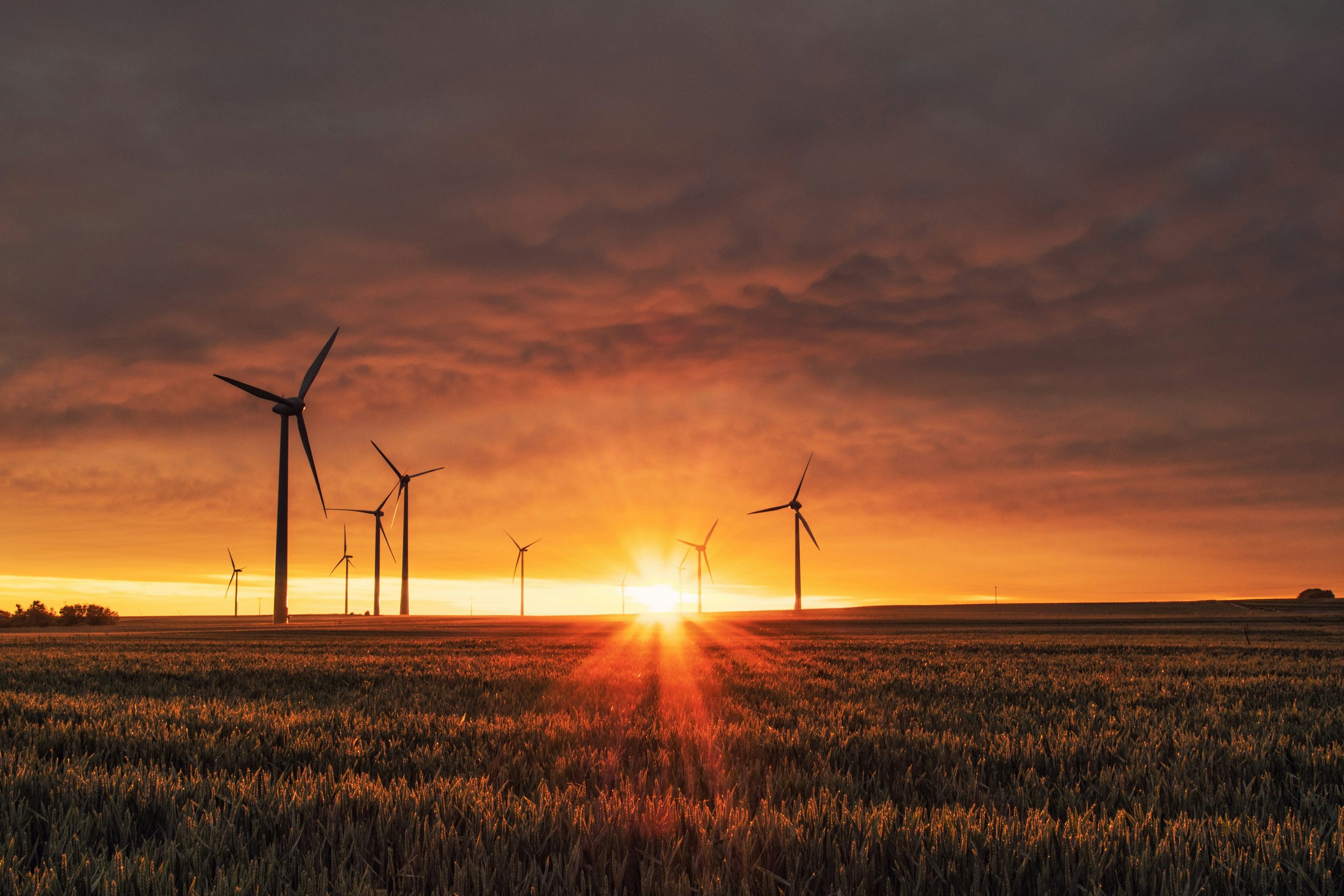
Every few months a story breezes through social media that makes even sensible people splutter into their tea. The one about wind farms secretly running on diesel is a classic. It usually comes wrapped in a blurry photo, a knowing caption and a promise that this time you are going to see through the whole renewable energy charade.
Here is what actually happened, told as a short winter tale from the Scottish hills.
It was bitterly cold. A grid fault left parts of a wind farm offline. When turbines are not exporting to the grid, they still have a few creature comforts to keep alive. Modern machines are not just three blades and a postcard view. Inside the nacelle there are heaters, sensors, brakes, yaw motors that swivel the nose into the wind, and pitch systems that twist the blades. If the temperature plummets and the grid is unavailable, those systems can get grumpy very quickly. Ice forms. Fluids thicken. Electronics do not appreciate freezing.
So the operator did the practical thing. For a short period, they brought in portable generators to power the housekeeping. Think cabin lights and frost protection, not the main engines at full thrust. This was not an attempt to turn blades with diesel to make electricity. It was simply a way to protect the kit while engineers fixed the grid problem
If you have ever sat on a plane at the gate and heard a quiet whirr before the engines start, you already understand the principle. Aircraft use small auxiliary units on the ground to keep systems warm and powered. No one points at a stationary Boeing and declares that flight is a myth. We accept that complicated kit sometimes needs a little help when the main power source is unavailable. Turbines are no different.
Why, then, do you occasionally see blades turning slowly when a site is not generating? There are a few reasons. Sometimes rotation helps manage icing or stops the bearings from developing flat spots. Sometimes you are simply seeing a machine idling in a safe mode, not creating exportable power, much as a car’s engine can tick over without going anywhere. The physics remains pleasingly straightforward. If the rotor is not coupled to an energised generator that is synchronised with the grid, it is not sending electricity to your kettle.
At this point someone usually chimes in with a related refrain. “We pay wind farms to turn off.” There is a kernel of truth there, but it belongs in a different drawer. That is curtailment. The national system occasionally has more generation available in one place than the wires can move to where it is needed. The operator turns some plant down and ramps other plant up elsewhere. They settle the difference because contracts are contracts. It is a grid constraint problem and a market mechanism to manage it, not evidence that wind “does not work”. As we build more grid, curtailment falls. It is plumbing, not philosophy.
Back to the rumour. It spread because it is neat and sticky. “Wind farm runs on diesel” is a punchy line. “Wind farm uses a temporary auxiliary supply for internal systems during a grid outage in a cold snap” does not sing on socials. Yet the second line is the grown-up version. It describes a specific circumstance, in a specific place, for a short time, to protect very expensive equipment when the weather was doing its worst.
There is also a visual quirk that does the myth no favours. A photo of a turbine with a generator parked nearby looks damning if you have already decided what it means. Up close, it is mundane. Big machines often need small babysitters when they are out of service. The babysitters are switched off when the grid comes back and life resumes.
If you are a landowner being buttonholed at the gate about this, a few simple replies help. First, turbines have housekeeping loads and use tiny amounts of power when parked. Second, auxiliary power during an outage is about protecting kit, not secretly replacing the wind. Third, curtailment is a grid issue, not a wind issue. None of that is scandalous. It is just how modern energy systems behave.
The better story, if we are going to tell one, is that bigger, more efficient turbines are arriving, grid investment is catching up and operators have learned a lot about cold-weather strategies since the early days. Wind is still cheap, still quick to build and still one of the least dramatic ways to make a megawatt once you strip away the social media theatre.
So no, wind farms are not “run on diesel”. They are run on wind. Occasionally, in ugly weather and awkward moments, the housekeeping needs a warm blanket. That is not a metaphorical cover-up. It is competent engineering.